


What Is a VPN Gateway? How It Works and How to Choose One
Zafruddin Shaik
VPN
Published on
6 min read
A Virtual Private Network (VPN) helps protect internet traffic by creating an encrypted connection between a device and a VPN server. One important component of many VPN systems is a VPN gateway. It helps manage connections between users, networks, and the resources they need to access securely. VPN gateways are commonly used by businesses, remote workers, and organisations that need secure access to internal systems. They can also be part of consumer VPN services that route traffic through remote servers. Understanding how a VPN gateway works can help you choose a suitable solution for your privacy, security, or network access requirements.
What Is a VPN Gateway?
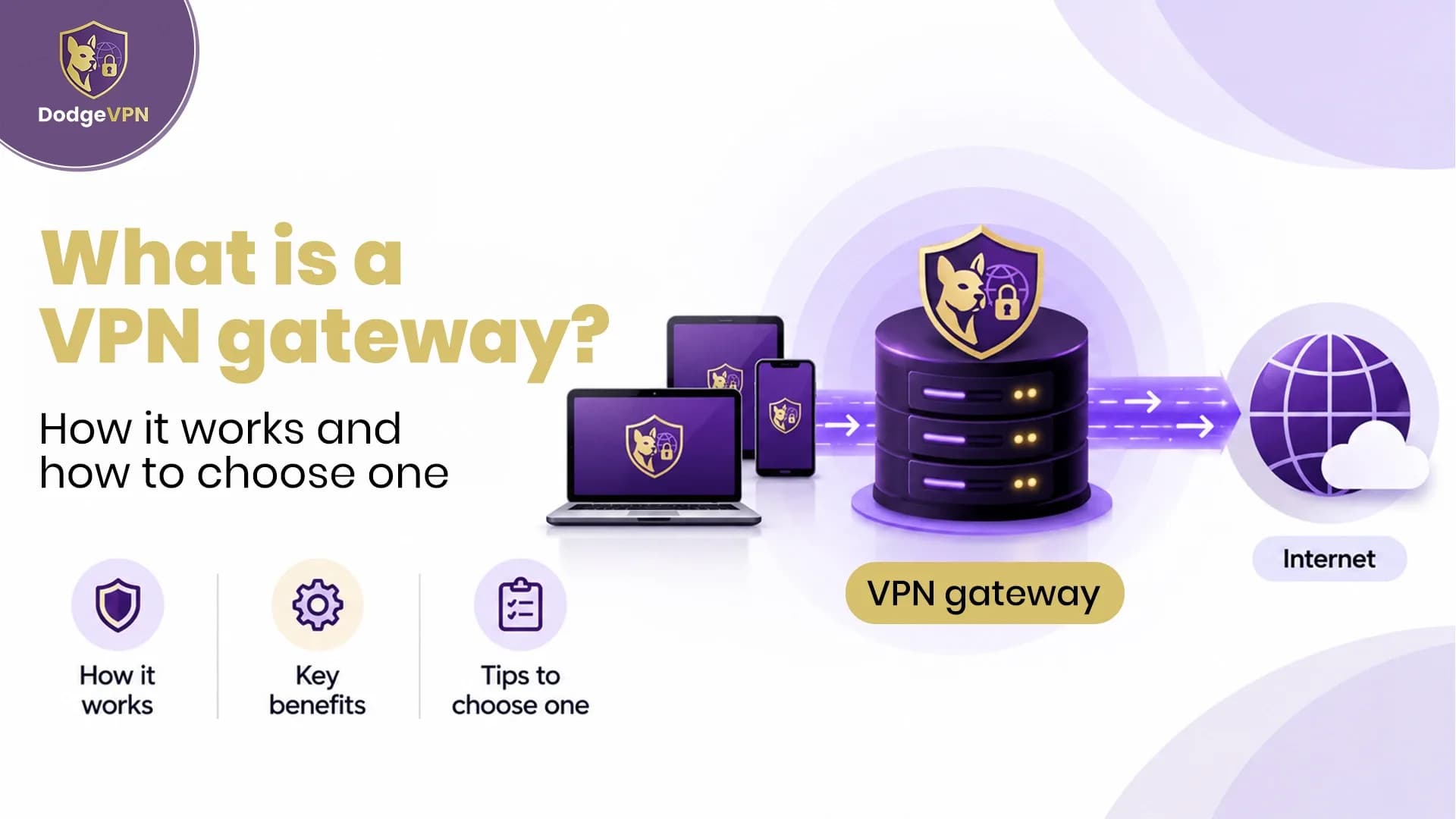
A VPN gateway is a network device or software component that establishes, manages, or terminates VPN connections between different devices or networks. It acts as an entry or exit point for encrypted network traffic, depending on how the VPN system is configured. For example, an employee working from home may need to access files stored on an office network. A VPN gateway can help establish a protected connection between the employee’s device and the company network, allowing authorised access to internal resources. VPN gateways may be deployed as hardware appliances, software solutions, cloud services, or built-in network infrastructure. Their features and capabilities vary depending on the implementation.
How Does a VPN Gateway Work?
A VPN gateway works by helping create a secure connection and directing network traffic according to the VPN configuration. The exact process depends on the VPN protocol and whether the connection is between individual devices or entire networks.
1. Establishes a VPN Connection
The process begins when a user or network initiates a VPN connection. The VPN client and gateway authenticate each other or verify the user and device according to the configured security requirements.
2. Creates an Encrypted Tunnel
Once the connection is established, the VPN uses supported encryption and security protocols to protect traffic travelling through the tunnel. This helps prevent unauthorised parties on the network path from easily reading the protected data.
3. Routes Traffic to the Destination
The gateway directs traffic towards the intended destination. In a remote-access setup, this may be an organisation’s internal network. In a consumer VPN service, traffic may be routed through a remote VPN server before reaching an internet destination.
4. Applies Network Access Rules
A gateway can enforce rules that determine which users, devices, or networks can connect to specific resources. Business deployments may also use logging, monitoring, and access controls to help administrators manage connections.
Types of VPN Gateways
Different VPN gateway types serve different purposes. Understanding these options makes it easier to identify the right solution.
Remote-Access VPN Gateway
A remote-access gateway allows individual users to connect securely to a private network from outside the organisation. It is useful for employees working from home, travelling staff, and authorised contractors.
Site-to-Site VPN Gateway
A site-to-site gateway connects two or more networks over an existing internet connection. For example, a business can connect its head office network with a branch office so authorised systems can communicate securely.
Cloud VPN Gateway
A cloud VPN gateway provides VPN connectivity between users, on-premises networks, and cloud infrastructure. It can be useful for organisations running applications or storing resources in cloud environments.
Consumer VPN Server Gateway
Consumer VPN services use gateways or VPN servers to route users’ traffic through selected locations. This can help protect traffic on untrusted networks and change the public IP address visible to websites. The exact features depend on the provider and service configuration.
Key Benefits of Using a VPN Gateway
A properly configured VPN gateway can provide several benefits.
- Secure remote access: It helps authorised users connect to private resources from different locations.
- Traffic encryption: Supported VPN connections protect data travelling through the encrypted tunnel.
- Centralised access management: Organisations can apply authentication and network access policies in one place.
- Network connectivity: Site-to-site configurations can connect separate offices or infrastructure environments.
- Flexible deployment: VPN gateways can support on-premises, cloud-based, and remote-access requirements.
However, a VPN gateway does not automatically make an entire network secure. Strong authentication, software updates, access restrictions, and ongoing monitoring remain important.
How to Choose the Right VPN Gateway
Choosing a VPN gateway starts with understanding what you need it to do. Consider these factors before selecting a solution.
1. Identify Your Main Use Case
Decide whether you need secure access for individual users, a connection between office networks, cloud connectivity, or general internet privacy. Different gateway types are designed for different purposes.
2. Review Security Features
Look for strong, modern encryption, secure VPN protocols, reliable authentication, and support for multi-factor authentication where appropriate. For business use, consider access controls, monitoring, and security updates.
3. Check Compatibility
Make sure the gateway supports your devices, operating systems, network infrastructure, and required VPN clients. If you are connecting to cloud infrastructure, check compatibility with your cloud environment.
4. Consider Speed and Capacity
The gateway must be able to handle the expected number of users and the volume of traffic. Encryption, server resources, network congestion, and internet bandwidth can affect performance. Businesses should consider both current needs and future growth.
5. Compare Management and Support
For business deployments, consider how easily administrators can configure policies, monitor connections, troubleshoot problems, and apply updates. Clear documentation and responsive technical support can also make a difference.
6. Review Cost and Scalability
Compare subscription fees, hardware expenses, maintenance, and additional licensing requirements. A suitable gateway should meet your current needs without making future expansion unnecessarily difficult.
Common VPN Gateway Problems
Connection failures may occur because of incorrect configuration, authentication errors, outdated software, firewall rules, or network interruptions. Slow performance may be related to insufficient gateway capacity, long network routes, or heavy traffic.To troubleshoot a problem, verify the connection settings, check authentication details, review the gateway logs if available, and confirm that the required network ports and protocols are permitted. For business networks, consult the network administrator before changing security settings.
Final Thoughts
A VPN gateway is an important component of many secure networking systems. It helps establish VPN connections, protect network traffic, direct communications, and manage access to private resources. The right choice depends on whether you need remote access, site-to-site connectivity, cloud networking, or a consumer VPN connection. By comparing security features, compatibility, performance, management options, and costs, you can select a VPN gateway that fits your requirements.
FAQs.
1. What Is the Main Purpose of a VPN Gateway?
A VPN gateway establishes or manages VPN connections between devices and networks, helping protect traffic and control access to authorised resources.
2. Is a VPN Gateway the Same as a VPN Server?
Not always. A VPN server handles VPN connections, while a gateway serves as a network entry or exit point and may also perform routing and access-control functions. Some systems combine these roles.
3. What Is the Difference Between a VPN Gateway and a Router?
A router forwards network traffic between networks. A VPN gateway specifically supports VPN connectivity and may provide encryption, authentication, and secure access controls. Some routers also include VPN gateway features.
4. Do Individuals Need a VPN Gateway?
Most individuals do not need to configure a separate business-style gateway. A trusted consumer VPN app typically handles the connection to the provider’s VPN servers.
5. How Do I Choose a VPN Gateway for Business Use?
Consider the number of users, security requirements, supported protocols, network compatibility, performance capacity, management tools, scalability, and total cost.